
Nationalism is sometimes great because it brings people together with a shared sense of identity & pride in their country. However, when it goes too far, it causes serious problems—both inside a nation and in how it deals with others. Here are 11 ways nationalism can become dangerous. There’s nothing wrong with loving your country, although unchecked nationalism has a darker side that does real harm.
Featured Image Credit: tommasolizzul /Depositphotos.com.
Fueling Xenophobia and Racism
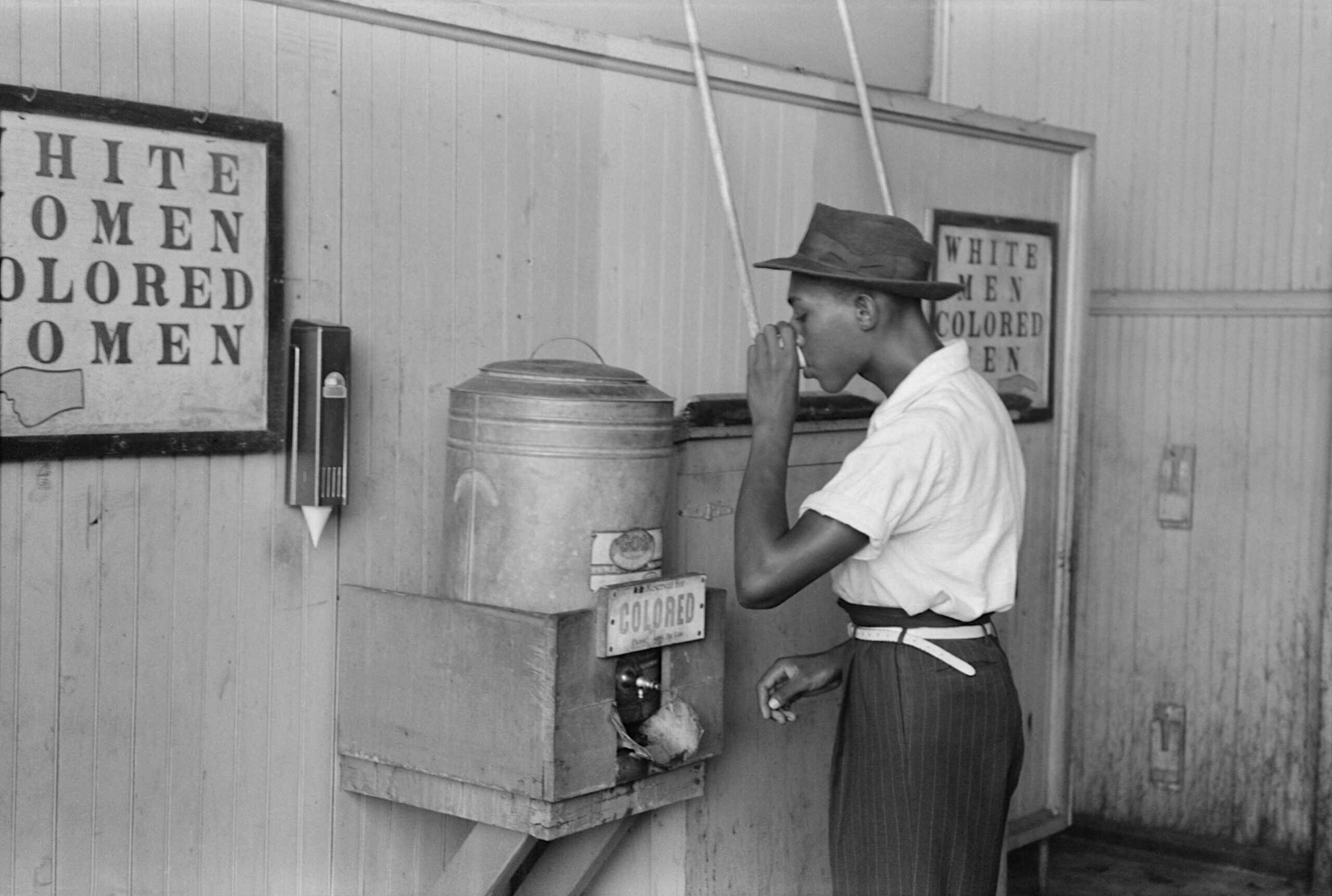
When nationalism turns extreme, it creates an “us versus them” mindset that may lead to hostility toward people from other countries. Such an attitude breeds xenophobia & racism. People might discriminate against other people just because they come from somewhere else or have a different background. Really, that’s not fair.
Promoting Economic Isolationism

In some cases, nationalist policies create economic isolationism, where countries impose tariffs or trade barriers to protect local industries. This is meant to improve domestic economies. However, such tariffs often result in higher prices for consumers & strained relationships with trading partners. This affects people’s livelihoods—and the overall economy.
Justifying Human Rights Violations

But it gets worse. Sometimes, people use nationalism to justify the harsh treatment of certain groups & governments might violate human rights under the claim of protecting national security. This includes detaining individuals without trial or restricting freedom of movement—both of which have happened under claims of “national interest.”
Igniting International Conflicts

Nations that put their own interests above all else raise tensions with other countries & aggressive nationalist policies create disputes over borders and resources. Eventually, the friction may escalate into conflicts—or wars. It causes widespread suffering & instability. These issues may affect entire regions that go beyond one country. Soon enough, extreme nationalism has created a conflict that engulfs the world as nations rush to support one another.
Suppressing Minority Rights

As they encourage national unity, governments might ignore or actively suppress the rights of minority groups. Sadly, it creates discrimination & even exclusion from political processes. Minorities struggle to have their voices heard. As a result, social unrest rises because people have to fight for recognition—or even a sense of equality.
Stifling Cultural Diversity

Likewise, any nationalism that promotes a single national identity affects the diverse cultures within a country. For example, people start discouraging local customs, languages & traditions, which creates a loss of cultural heritage. It takes away from the richness of diverse communities. Any attempts to create a dominant culture may erase minority histories.
Undermining Global Cooperation

Strong nationalist feelings often make countries less willing to work together on international issues. Yet problems like climate change & economic instability need countries to collaborate. However, extreme nationalism makes governments focus only on their own interests and this hinders efforts to deal with the problems that affect everyone.
Encouraging Authoritarianism

Some leaders use nationalism to strengthen their power by labeling critics as “unpatriotic.” It’s a tactic that unfairly silences the opposition, which eventually weakens democracy as a whole. In fact, some citizens might have their freedoms restricted as the government tightens control in the name of national pride & security. Soon enough, the complete rejection of opposing voices becomes the norm.
Distorting Historical Narratives

Extreme nationalism also includes rewriting history to favor a particular story or at least giving a selective version of events. For example, people might downplay important events while exaggerating others to build a certain sense of pride. It’s a form of manipulation. Sadly, destroying history stops people from understanding the full scope of their nation’s past & it affects future generations too.
Escalating Arms Races
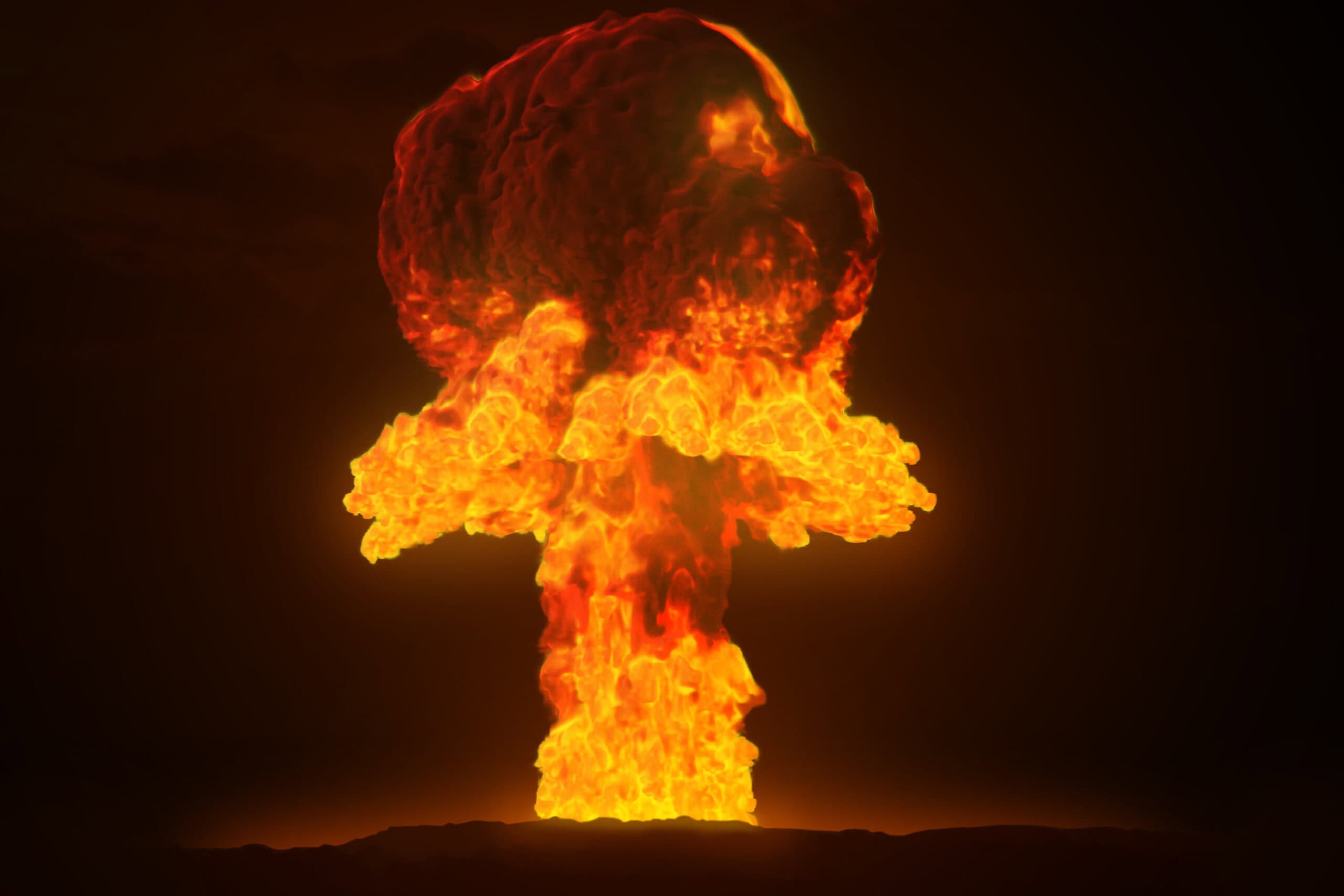
A strong nationalistic drive may push countries to expand their military capabilities aggressively. Soon enough, neighboring nations do the same—creating an arms race. Rather than putting resources into supporting education or healthcare, governments funnel them into defense. This increases the risk of conflict. At the same time, it negatively affects the citizens’ quality of life by diverting funds from essential services. Somehow, such pride doesn’t seem worth it.
Limiting Freedom of Speech and Press

Many extremely nationalist countries have governments that control the media & restrict free speech. The authorities censor information that doesn’t fit their agenda, which means that people lose access to diverse viewpoints. Essentially, it limits open discussion. The citizens are uninformed about what’s really going on. It undermines democracy & informed decision-making and it keeps people in the dark.
Disclaimer: This list is solely the author’s opinion based on research and publicly available information.